
The hours right after a dental appointment shape how quickly your mouth settles down. What you put on your fork, or even skip entirely, can mean the difference between a smooth couple of days and one spent nursing unnecessary soreness. A little planning around meals goes a long way toward keeping healing on track.
At New Day Dental Medical Aesthetics, we guide every patient through simple aftercare protocols so recovery feels manageable rather than confusing. Whether you had a filling, an extraction, or something more involved through our general dentistry services, knowing what to eat can make the next few days easier on your gums, your teeth, your patience, and your recovery overall.
Why Food Choices Matter So Much Right After Treatment
Numbness, sensitivity, and swelling are common after most dental work, and the wrong bite can turn a minor irritation into a real setback. Chewing puts direct pressure on the treated area, and sharp or crunchy foods can scrape tissue that has not had time to firm back up.
Temperature plays a role too. Very hot or very cold foods can trigger sharp discomfort in teeth that are still adjusting after work like a dental crown or a filling. Sticking to lukewarm or room temperature meals for the first day or two helps avoid that jolt.
The Healing Connection
Tissue repair depends on more than just avoiding irritation. According to a narrative review published by the National Institutes of Health, adequate protein and nutrient intake support the collagen production and tissue remodeling your body relies on to heal properly. That means recovery meals should still deliver real nutrition, not just softness.
What You Can Eat in the First Few Days
Soft, cool, and easy to swallow is the general rule for the first 24 to 48 hours. Foods that require little to no chewing let your mouth rest while you still get in the calories and nutrients you need.
We tell patients recovering from procedures like a tooth extraction or root canal therapy to keep a short list of go-to meals on hand so there is no scrambling to figure out dinner while still numb.
A few reliable options can carry you through the first stretch of recovery without much effort or discomfort, including:
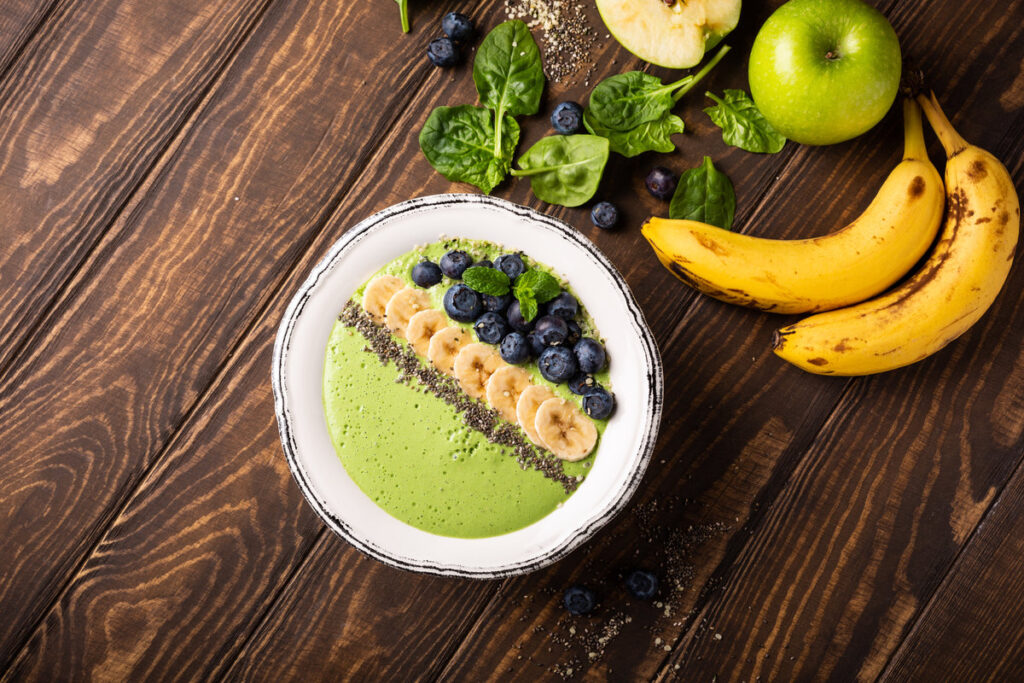
- Smoothies without seeds: Blended fruit and yogurt provide protein and vitamins without any chewing required.
- Mashed potatoes: This hearty option goes down easily and pairs well with soft gravy or broth.
- Scrambled eggs: Eggs are soft, protein-rich, and gentle on tender gums or a healing socket.
- Warm broth or soup: Comforting and hydrating, you can have a cup of soup or broth as long as it is not served piping hot.
- Applesauce or ripe banana: These fruity options are naturally soft and easy to manage without added sugar spikes.
These choices keep you nourished while giving the treated area the rest it needs to settle down.
Foods and Habits to Avoid
Certain foods work directly against healing, and skipping them for a few days can prevent complications that turn a quick recovery into a longer one. Crunchy foods such as chips, nuts, and raw vegetables can lodge in a healing site or put too much force on a new restoration.
Sticky candy and chewy bread can pull at stitches or dislodge a blood clot after an extraction, which may lead to a painful condition known as dry socket. Spicy and acidic foods, including citrus and hot sauce, can sting exposed tissue and should be avoided until things have calmed down a little more.
Skip the Straw and Certain Beverages
Drinking through a straw creates suction in the mouth that can disturb healing tissue, particularly after an extraction. It is a small habit to pause for a few days, but it can prevent a frustrating setback. Alcohol and carbonated drinks are also worth avoiding early on, since both can irritate sensitive areas and interfere with any pain medication you may be taking.
Returning to Your Normal Diet
Most patients can gradually reintroduce firmer foods within a few days, though the exact timeline depends on the procedure. Something like a routine filling may only call for a day of caution, while an extraction or surgical procedure through our restorative dentistry services may need closer to a week.
Pay attention to how your mouth responds as you add foods back in. Mild tenderness while chewing something semi-firm is normal, but sharp pain or bleeding is a sign to scale back and stick with softer options for a little longer.
Make a Smooth Recovery With New Day Dental Medical Aesthetics
Every procedure we perform comes with clear aftercare guidance tailored to what was actually done, not a generic handout. As one of the top three most technologically advanced dental practices in the United States, we use tools that support gentler, more precise treatment from the start, which often means an easier recovery for you.
If you have questions about what to eat after your upcoming visit or want to schedule care with a team that walks you through every step, reach out to us, and we will help you plan for a smooth recovery.