
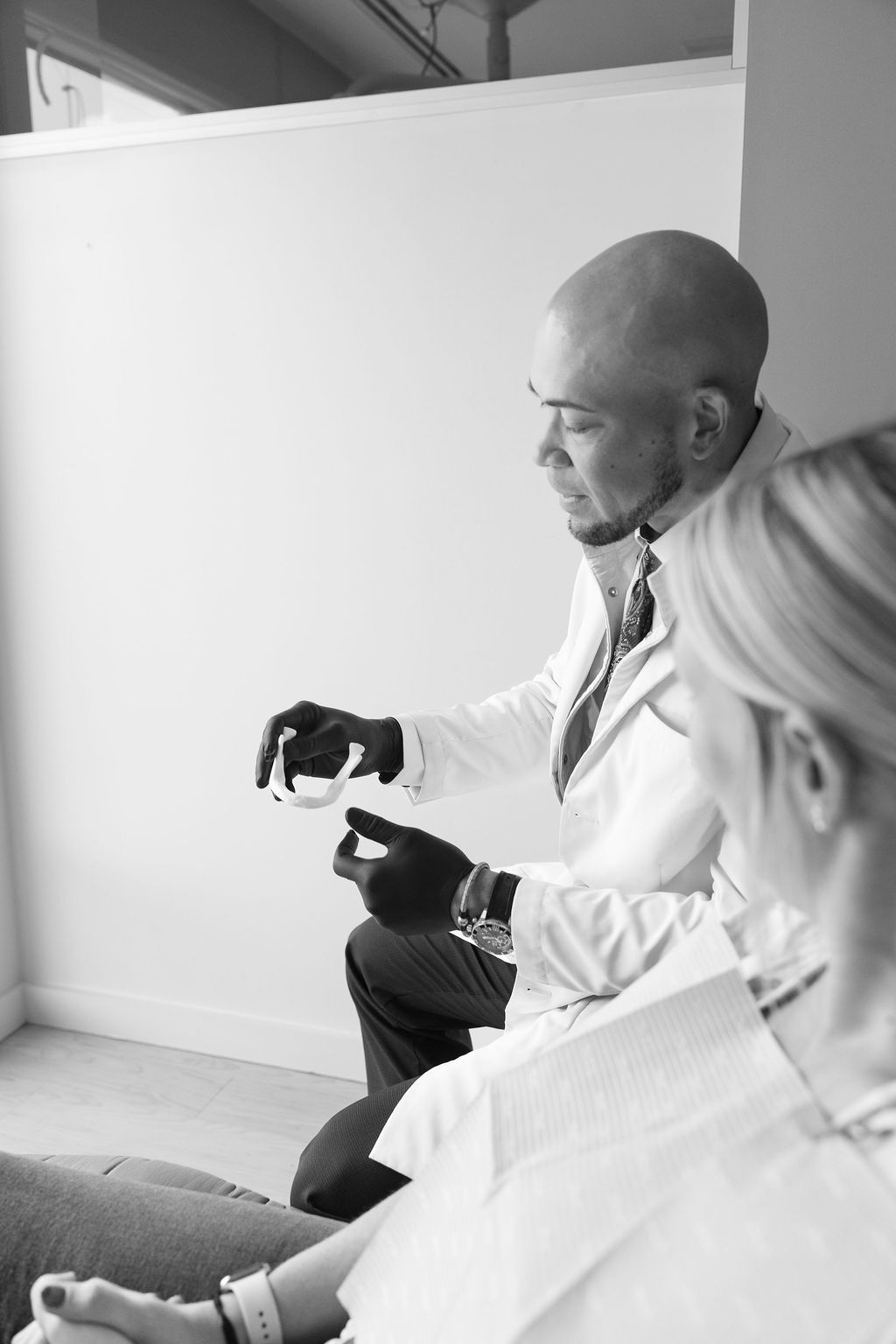

Your jawbone does more quiet work than most people realize. It anchors your teeth, shapes your face, and keeps everything in place without you ever thinking about it until a tooth goes missing. Then, that work slowly starts to unravel. Bone loss after tooth loss is common, and it moves faster than most patients expect, which means the window for a smooth path to replacement can close sooner than you’d like.
At New Day Dental Medical Aesthetics, our team provides bone grafting as part of our comprehensive restorative dentistry services in Cary. Led by award-winning dentist Dr. Jordan Tucker, DDS, we combine advanced technology with a gentle, patient-first approach to help you regain the strong jawbone structure needed for successful tooth replacement. Whether bone loss has occurred from an extraction, gum disease, or years of wearing dentures, we tailor every grafting plan to your unique situation.
Why Bone Grafting Matters Before Dental Implants
A dental implant relies on a sturdy foundation of jawbone to anchor securely in place, much like a fence post needs solid ground to stand upright. When a tooth is removed or lost, the surrounding bone no longer receives the stimulation it once got from the tooth’s root. Without that stimulation, the bone gradually thins out and pulls back. This is especially common in patients who have been missing teeth for an extended period.
Bone grafting restores the volume and density of the jaw so that an implant can integrate properly. A large-scale study published in the National Institutes of Health’s research archive found that dental implants placed alongside bone grafting procedures achieved a clinical success rate of nearly 98%, comparable to implants placed in native bone. Without enough bone structure in place, an implant may not fuse with the jaw properly, which is why grafting is such an important preparatory step for many patients.
How Bone Loss Happens
Bone deterioration can begin within weeks of losing a tooth and accelerate over months and years. Periodontal disease is one of the most common culprits, which is why patients dealing with active gum disease often benefit from scaling and root planing before moving forward with restorative work. Traumatic injury, infection, and prolonged denture use are other frequent causes. Even a single missing tooth can trigger measurable bone loss in the surrounding area, which is why timely treatment matters.
Types of Bone Grafts We Offer in Cary
Not every patient requires the same grafting approach. The type of graft recommended depends on the location of the bone loss, the extent of bone loss, and your overall health. Our team evaluates your needs using advanced 3D imaging technology to create a precise treatment plan before any procedure begins. The most common grafting options we offer include:
- Autografts: Bone harvested from another area of your own body, often the chin or back of the jaw, which offers excellent compatibility since your body readily accepts its own tissue.
- Allografts: Donor bone from a tissue bank that has been carefully processed and sterilized, eliminating the need for a second surgical site on your body.
- Xenografts: Bone material derived from an animal source, typically bovine, which acts as a scaffold for your body to gradually replace with natural bone over time.
- Synthetic grafts: Biocompatible materials engineered to mimic the structure of natural bone, promoting new growth without the use of human or animal tissue.
Each option has distinct advantages, and our team walks you through the best fit for your situation during your consultation. Socket preservation grafts performed right after an extraction, sinus lifts for the upper jaw, and ridge augmentation procedures to rebuild the jaw’s natural contour are all available at our Cary office.
What to Expect During Bone Graft Recovery
Knowing what to expect helps patients feel more prepared heading into treatment. Bone grafting is performed under local anesthesia, and sedation options are available for patients who want additional comfort. Most patients describe the recovery as manageable and similar to a standard tooth extraction.
The First Few Days
Some swelling, minor bruising, and mild discomfort are normal in the days immediately after your graft. We provide detailed aftercare instructions and, when needed, prescribe medication to keep you comfortable. Sticking to soft foods, avoiding the surgical area while brushing, and refraining from smoking are all important steps during this early healing window.
Long-Term Healing and Integration
Full bone regeneration typically takes between four and six months. During this time, the grafting material integrates with your existing bone, and new tissue forms around it. We monitor your progress through regular follow-up visits to ensure healing is on track. Once the graft has fully matured, you can proceed with implant placement or other restorative options, such as dentures supported by your newly strengthened jawbone.
Meet Dr. Jordan Tucker
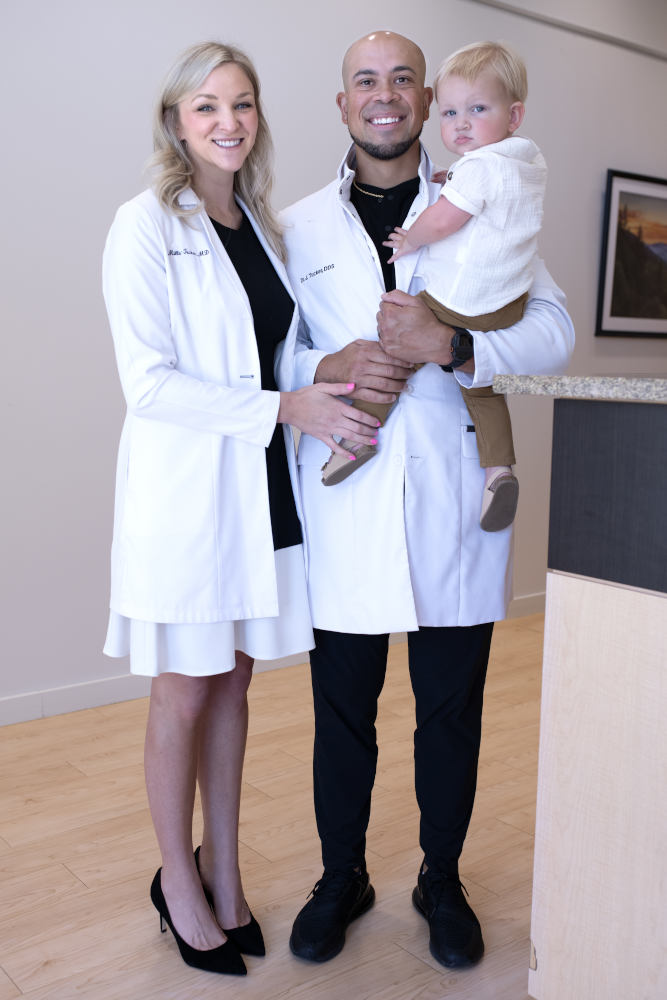
Dr. Jordan Tucker, DDS
Dr. Tucker earned his dental degree from West Virginia University and has built a Cary dental practice centered on making advanced dental care approachable for patients at every stage of life. He is an award-winning dentist recognized among top dental professionals in the United States, and he uses CBCT cone beam CT imaging to evaluate bone density and structure, helping determine whether bone grafting is needed to support future treatment such as dental implants. Dr. Tucker and our team walk you through your options and coordinate every step of your care.
Meet Our TeamBuild a Stronger Foundation at New Day Dental Medical Aesthetics
Bone grafting is a proven step toward restoring your oral health and opening the door to long-lasting tooth replacement. Dr. Jordan Tucker brings years of experience as a practice owner, clinical faculty member, and dedicated provider who puts patient comfort first at every stage of care. Our Cary office is equipped with state-of-the-art technology, and we are proud to rank among the top three most technologically advanced dental practices in the country.
If you are dealing with bone loss or preparing for dental implants, we are here to help you take the next step with confidence. Contact our office today to schedule your bone grafting consultation and find out how a stronger jawbone can support a healthier, more complete smile.