
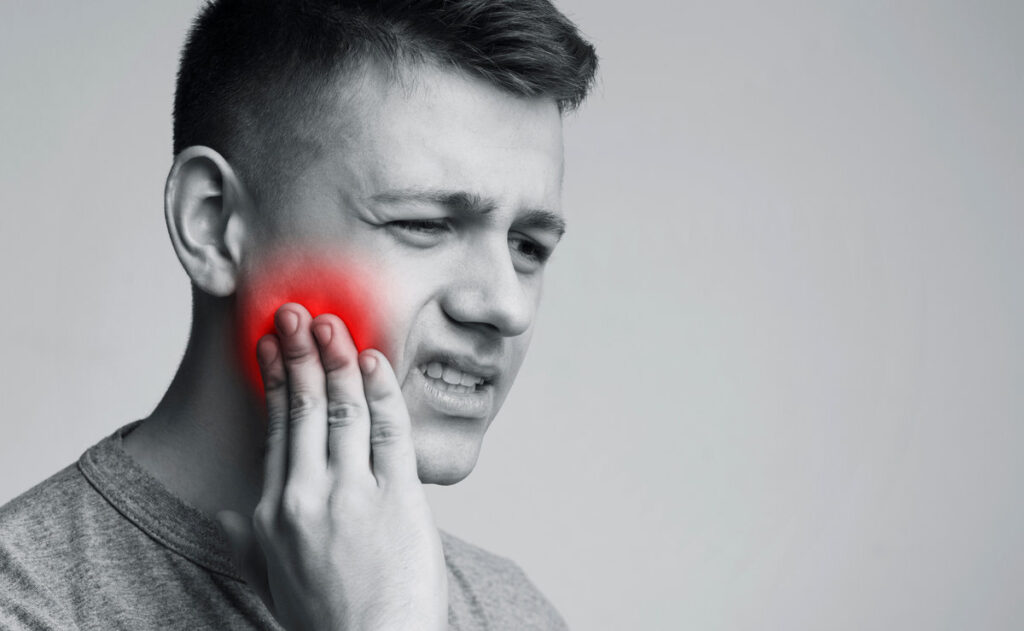
Waking up with a sore jaw or a dull headache that fades by mid-morning is easy to brush off as a bad night of sleep. For many people, though, that soreness is a sign their teeth are clenching or grinding against each other while they sleep, often without them ever knowing it happens.
This pattern, known as bruxism, can quietly wear down tooth enamel over months or years before the damage becomes obvious. At New Day Dental Medical Aesthetics, our team looks for the early signs of grinding at routine visits so treatment can start before a cracked tooth or a persistent jaw ache forces the issue.
What Bruxism Does to Your Teeth Over Time
Grinding puts far more pressure on your teeth than normal chewing does. Over months of repeated grinding, this force can flatten the chewing surfaces of your molars, chip the edges of your front teeth, or create small cracks that spread deeper into the tooth structure.
Enamel does not regenerate once it wears away, so the effects of grinding tend to build rather than heal on their own. A tooth that looks slightly shorter or more flattened than it once did is often a sign that grinding has been happening for a while, even if you have never noticed yourself doing it.
Jaw Pain and Headaches
The muscles that control your jaw are not built to stay clenched for hours at a time. When grinding happens repeatedly during sleep, those muscles can become sore and fatigued, leading to a jaw that feels tight or tired when you wake up.
This muscle tension often radiates outward, which is why frequent grinders may notice headaches centered near the temples or a dull ache along the jawline that lingers into the afternoon.
Why Grinding Often Goes Unnoticed
Sleep bruxism happens below conscious awareness, so most people only find out they grind because a partner hears it or a dentist spots the wear pattern during an exam. Daytime clenching, often linked to concentration or stress, can be just as damaging and just as easy to miss.
Because the habit is so easy to overlook, regular dental exams matter even when nothing feels obviously wrong. Catching the early wear pattern on a molar is far simpler to manage than repairing a tooth that has already cracked.
What Causes Teeth Grinding
Bruxism does not have a single cause, and it can affect people of any age. According to the National Institute of Dental and Craniofacial Research, stress, certain medications, genetics, and habits like caffeine or alcohol use have all been linked to a higher likelihood of grinding.
Misaligned teeth or an uneven bite can also play a role, since the jaw may grind in an attempt to find a more comfortable resting position. A sleep disorder, including one that affects breathing at night, can be connected to grinding as well.
How Night Guards Help
A custom night guard is one of the most direct ways to stop grinding from damaging your teeth further. The guard fits over your teeth like a thin, comfortable shell, creating a barrier that absorbs the force of clenching instead of letting it wear down enamel.
Unlike an over-the-counter mouth guard from a drugstore shelf, a custom-fitted guard is molded to your bite specifically, so it stays in place through the night and feels less bulky against your gums and cheeks.
There are a few signs worth paying attention to if you suspect grinding may be affecting you. Consider the following before your next visit:
- Morning jaw soreness: Waking up with a tight or tired feeling in your jaw muscles.
- Flattened or chipped teeth: Noticing that certain teeth look shorter or have small chips along the edges.
- Frequent headaches: Waking up with a headache near your temples that fades as the day goes on.
- Tooth sensitivity: Feeling new sensitivity to hot or cold that was not there before.
If any of these sound familiar, it may be worth mentioning at your next exam so grinding can be ruled in or out early.
Protecting Your Smile for the Long Term
Left untreated, grinding tends to get more expensive to fix the longer it continues. A tooth that could have been protected with a custom mouth guard early on may eventually need a crown or other restorative work if the wear progresses far enough, which is one reason our team also reviews grinding damage during routine exams.
For patients whose grinding is connected to jaw tension, some may benefit from options discussed in our piece on oral appliances and quality of life, as appliance therapy can address more than one symptom at once. Cases involving significant tooth loss from long-term wear may eventually call for solutions similar to those covered in our guide on full mouth reconstruction.
Protect Your Smile With New Day Dental Medical Aesthetics
Our team has built a reputation as one of the top three most technologically advanced dental practices in the United States, which means we can spot the subtle signs of grinding, like early enamel wear or small changes in bite alignment, well before they turn into bigger problems. Dr. Jordan Tucker, DDS, brings a private practice owner’s attention to detail to every exam, looking closely at how your bite and jaw muscles are holding up over time.
If your mornings have started with a sore jaw or you have noticed new wear on your teeth, our team may be able to help you find relief with a custom night guard fitted to your bite. We accept most major PPO insurance plans and offer an in-house VIP membership plan for patients without insurance, so reach out to us today to schedule a visit and get your grinding evaluated.